Planning Your Visit to the Hatta Mountains: A Practical Guide
The Hatta Mountains, a rugged range east of Dubai, offer a distinct change of pace from the city's skyline. The rocky peaks, deep wadis, and calm waters of the Hatta Dam draw visitors looking for hiking, kayaking, or simply a quiet day in nature. Yet a trip into this terrain is different from a standard city outing. The environment is dry, the sun is strong, and the roads wind through remote areas. Picking the right visit requires a bit of forethought. Below is a step-by-step approach to choosing the right Hatta mountain experience for your group, with practical things to watch at each stage.
Step 1: Decide What Kind of Day You Want
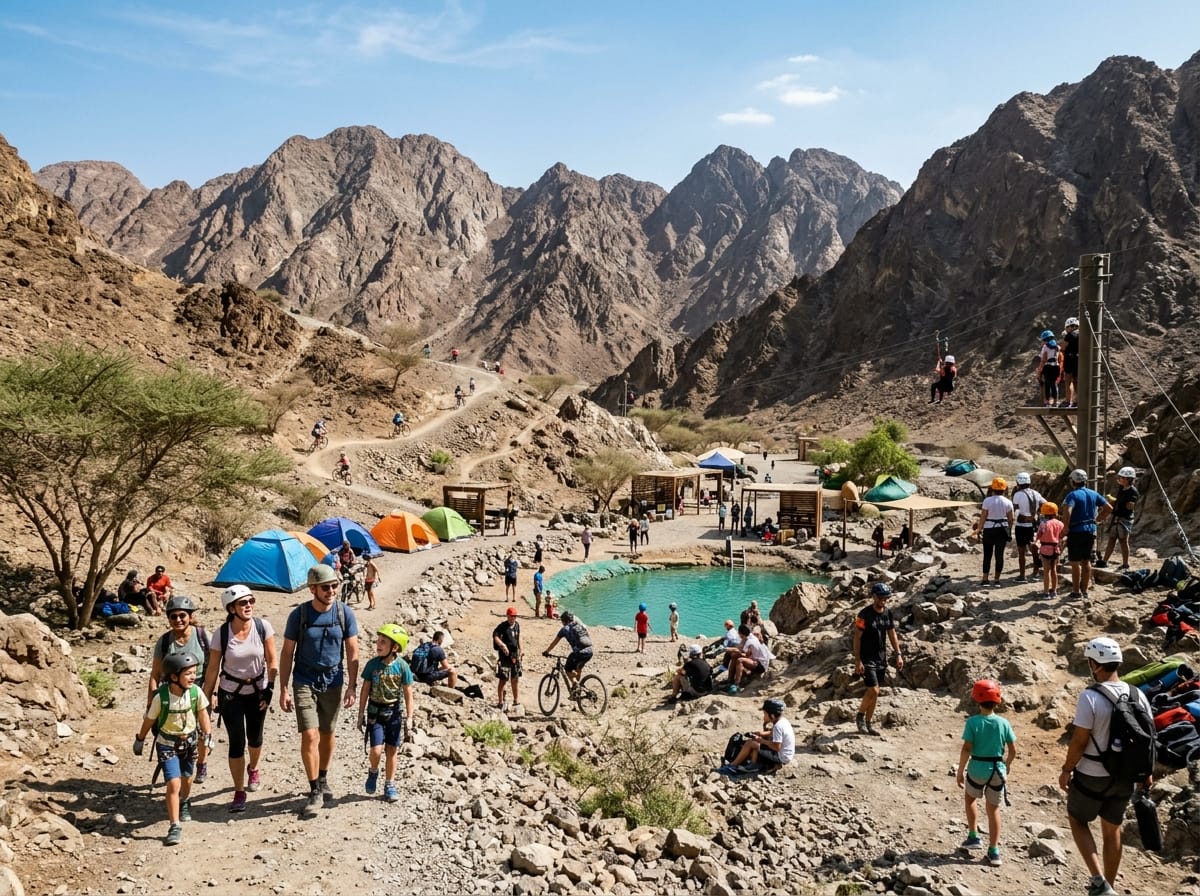
The Hatta region has several distinct zones: the dam and its waterfront, the mountain trails, the heritage village, and the surrounding gravel plains. Each zone suits a different kind of outing. If your group wants water activities, kayaking on the dam is the main draw. If hiking is the goal, look at the marked trails that loop around the ridges and down into the wadis. A heritage visit involves walking through restored stone buildings and a small fort. Some visitors combine two zones in one day, but that takes more time and energy. Watch for the heat: from late spring through early autumn, midday temperatures can make hiking uncomfortable. Plan to be on the water or on the trail early in the morning, or after 3 p.m. when the sun drops behind the peaks.
Step 2: Pick Your Access Point and Transport
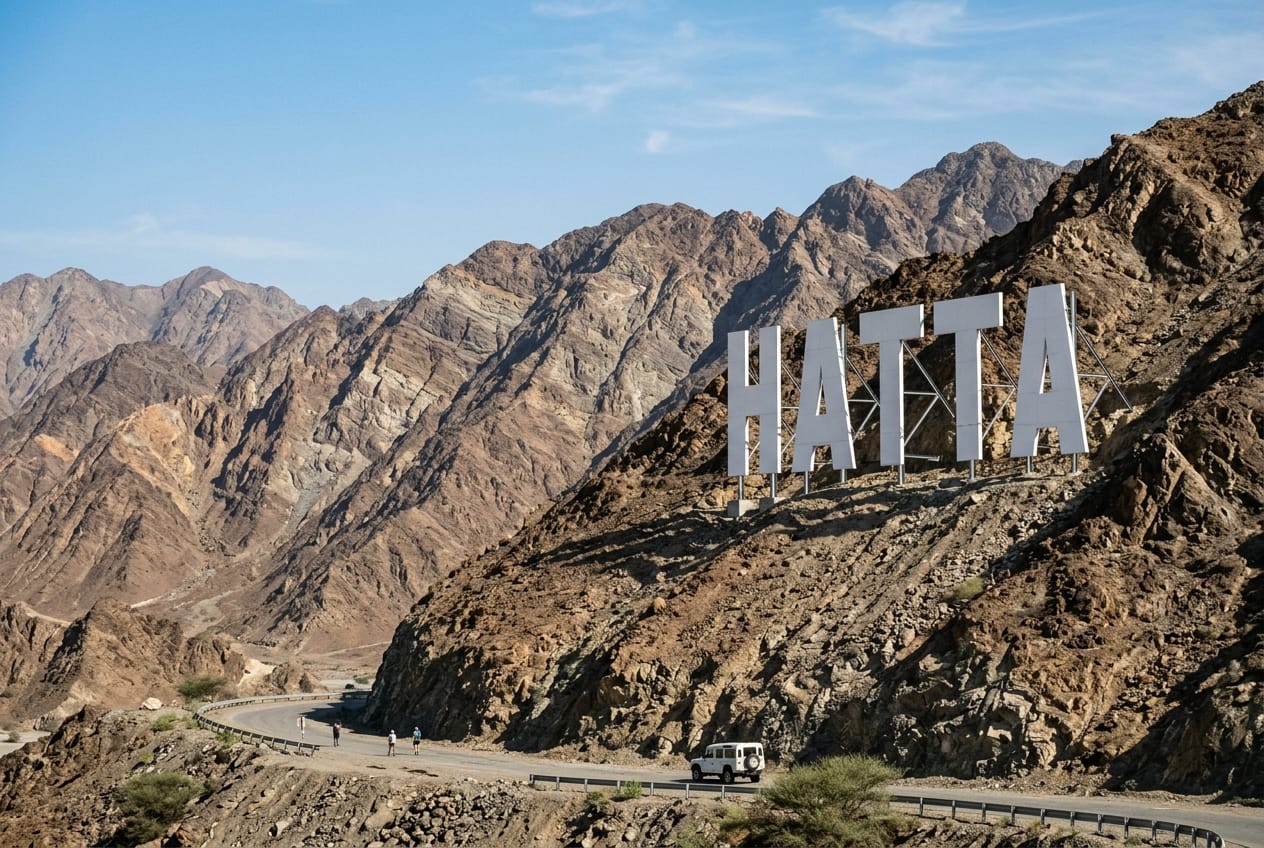
The main road into the area is the Hatta Road (E44), which climbs through a series of switchbacks. You can drive your own vehicle, take a taxi from Dubai, or join a tour that handles transport. Each option has trade-offs. Driving yourself gives you flexibility, but you need a reliable car with good cooling, as the climb works the engine. Taxis are available but can be expensive for a full-day wait. Joining an organised trip removes the need to navigate the mountain roads yourself. Whichever you choose, watch your fuel level. There are no petrol stations inside the mountain area. Fill up in the town of Hatta or on the E44 before you start the climb. The last reliable fuel stop is about 15 minutes before the dam turn-off.
Step 3: Choose Your Season and Timing
The best months for Hatta are November through March. Temperatures are mild, and the wadis sometimes hold light water flow after rain. Summer months are very hot, and the exposed rock radiates heat even after sundown. If you visit in summer, limit outdoor activity to early morning or late afternoon. Watch for flash flood warnings during the winter rainy season. Even if the sky above you is clear, rain over the mountains can send water rushing through narrow wadis. Check the weather forecast the day before and the morning of your trip. The Hatta dam area has a small visitor centre and a few shaded spots, but most of the terrain is open. Bring plenty of water and sun protection, whatever the season.
Step 4: Choose the Right Trail or Activity
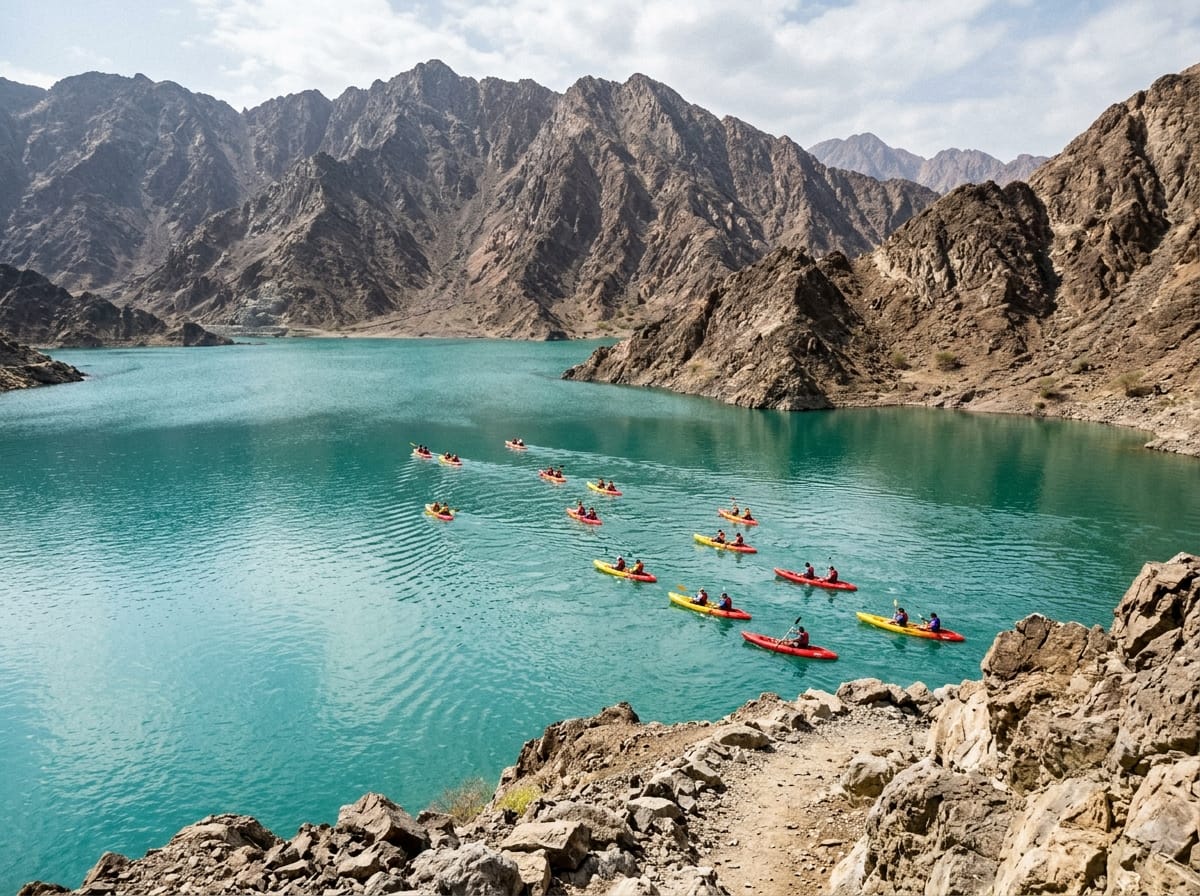
The Hatta Mountain Trail network includes routes of different lengths and difficulty. The shortest loops are around two kilometres and take about an hour. Longer trails go up to seven kilometres and involve steep sections. If you are new to mountain hiking, start with a short trail near the dam. The path is well-marked, but the surface is loose gravel in places. Wear sturdy shoes with good grip; trainers with smooth soles can slip on the rocky sections. For kayaking, the dam has a launch area and rental equipment. The water is calm in the morning, but wind picks up in the afternoon, making paddling harder. If you have young children, a short paddle along the dam wall is enough. Watch for the rental queue on weekends, when the launch area can be busy.
Step 5: Plan Your Supplies and Gear
There are small cafés and a restaurant near the dam, but choices are limited. Bring your own food and water, especially if you plan a full day. A reusable water bottle and a packed lunch work well. Sunscreen, sunglasses, and a hat are essential. A light jacket helps in the cooler months, as the wind can be chilly at the dam. A phone with a full charge is useful for navigation, but mobile reception can be patchy in the deeper wadis. Download offline maps before you leave. A basic first-aid kit for minor cuts and blisters is a good idea. Watch for the lack of shade on the trails; plan rest stops in the few shaded spots you see on the map.
Step 6: Understand the Entry and Parking System
The Hatta area requires no entry ticket for general access. Parking at the dam and the heritage village is free. However, spaces fill quickly on public holidays and weekends. Arrive before 9 a.m. to get a spot close to the dam. Later in the day, you may need to park along the access road and walk a short distance. The Hatta Mountain Tour Dubai official site provides current parking and access details, which can save you time. Watch for the parking layout: some lots are unpaved and dusty, so a car cover or a wipe-down after the trip is helpful. If you are in a large vehicle, check the height restrictions on the road to the dam; a few low-hanging branches may scrape a tall 4x4.
Step 7: Respect the Environment and Local Rules
The Hatta Mountains are part of a protected area. Littering is not allowed, and drones require special permits. Keep to marked trails to avoid disturbing the native plant life and to stay clear of unstable slopes. The wadis can have loose rocks, so stepping off the path can cause a fall. Watch for wildlife: you may see goats, foxes, or birds of prey. Do not feed them, as it alters their natural behaviour. Camping is permitted only in designated spots. If you plan an overnight stay, book a permit through the official channels. The Hatta Mountain Tour Dubai official site lists the rules for camping and bonfires. Fires are only allowed in provided fire pits, and all ashes must be taken with you.
Step 8: Prepare for Emergencies
Cell reception can drop in the deeper parts of the mountain. Tell someone your planned route and expected return time. If you get into trouble, the emergency number in the UAE is 999 or 112 from a mobile. For non-life-threatening issues, the Hatta police station is in the town centre. Carry a whistle and a small flashlight in your daypack. If you are driving, make sure your spare tyre is in good condition and you know how to change it. The mountain roads have no hard shoulder in places. If you break down, stay in the vehicle and call for roadside assistance. Do not attempt to walk to the nearest town in the heat.
Step 9: Decide Between a Self-Guided Trip and a Guided Tour
Both options work, and the right choice depends on your comfort with the terrain. A self-guided trip gives you full control over your schedule. You can linger at a viewpoint or skip a trail if the group is tired. The downsides are the need to navigate and the risk of missing the best spots. A guided tour provides a driver, a guide who knows the area, and often includes kayak rental or a meal. If you are short on time or unfamiliar with desert hiking, a guided tour can simplify the day. Hatta Mountain Tour Dubai is one example of a company that runs these tours. When comparing options, look at the itinerary: does it include the heritage village, the dam, or a specific trail? Does the tour group size allow for a relaxed pace? Watch for hidden costs: some tours charge extra for kayak rental or for pick-up from a different hotel.
Step 10: Check Your Insurance and Permits
Standard travel insurance often covers hiking and kayaking as long as they are not classed as extreme sports. If you plan to hike on the longer trails or go kayaking in open water, check your policy. Some insurers require a separate rider for adventure activities. The Hatta area does not require a permit for general hiking or kayaking, but the longer trails and camping areas do. The official tourism website lists the current permit requirements. Watch for seasonal closures: occasional trail maintenance or wildlife protection can close sections. Check the website a day before your trip so you do not drive up to a closed trailhead.
Final Practical Tips
A successful trip to the Hatta Mountains comes down to preparation more than luck. The weather can change quickly, the terrain is demanding, and services are sparse. Pack for the conditions, start early, and have a backup plan for the afternoon heat. The dam is a good fallback if a hike becomes too hot, as you can cool off in the water or sit in the shade of the café. The heritage village offers a calm indoor walk through restored buildings, which is a good option on a windy day. Keep your itinerary flexible. The goal is to enjoy the landscape, not to tick off a checklist. By following these steps, you can pick the right approach for your group and make the most of your time in this striking part of the UAE.
Ends · MYHATTAMOUNTAINDUBAISHOP